Transporting hazardous materials is a critical responsibility that demands specialized knowledge and rigorous adherence to safety protocols. For commercial drivers, understanding these requirements is not just a regulatory obligation but a cornerstone of professional practice. At Trusted King Transportation Drivers University, we recognize the paramount importance of thorough preparation in this field. Hazmat awareness training equips drivers with the essential understanding to handle hazardous materials safely and legally, ensuring the protection of themselves, the public, and the environment.
Understanding the Regulatory Framework for Hazardous Materials
One of the primary aspects of hazmat training is gaining a comprehensive understanding of the complex regulatory landscape governing hazardous materials transport. This includes delving into the requirements set forth by agencies like the Department of Transportation (DOT), the Occupational Safety and Health Administration (OSHA), and the Environmental Protection Agency (EPA). You will learn about the Hazardous Materials Regulations (HMR) and how they dictate everything from classification and packaging to labeling and documentation.
Key Components of Hazmat Identification
Effective hazmat training will extensively cover the critical process of identifying and classifying hazardous materials. This involves learning about the nine classes of hazardous materials, understanding the meaning of various hazard placards, and correctly interpreting shipping papers and material safety data sheets (MSDS) or safety data sheets (SDS). You will be taught how to use emergency response guidebooks (ERG) to quickly ascertain the nature of a substance and the immediate actions required in case of an incident.
Safety Protocols
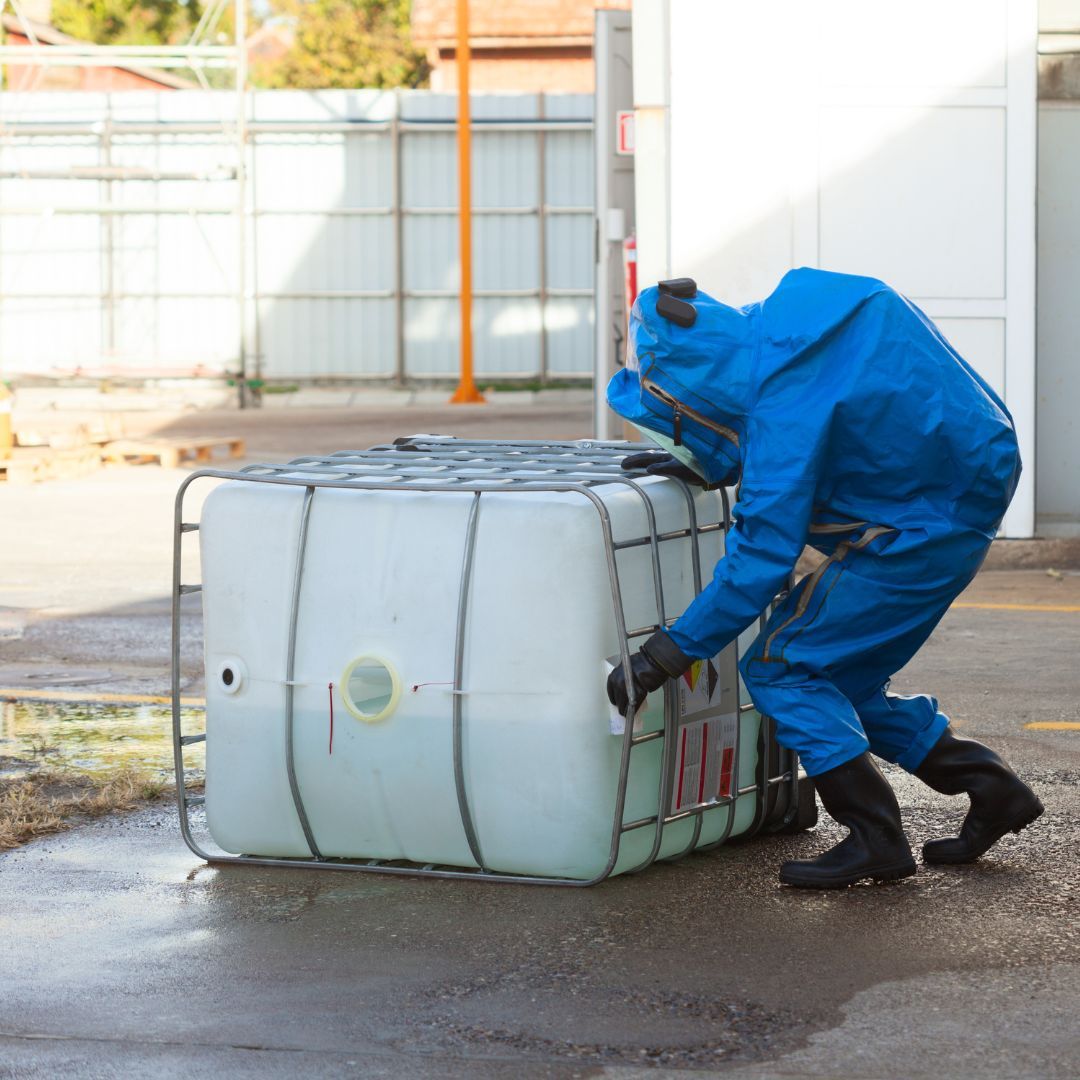
Beyond identification and regulations, hazmat training emphasizes practical safety protocols, proper handling procedures, and initial emergency response actions. This segment typically includes instruction on securement techniques, vehicle inspections specific to hazardous cargo, and the appropriate use of personal protective equipment (PPE). You will learn about segregation requirements for incompatible materials and procedures for loading and unloading hazardous goods.
Undertaking hazmat training is an investment in your safety and professional growth, offering indispensable knowledge for anyone involved in the transport of hazardous materials. Mastering these vital skills not only ensures compliance with stringent regulations but also upholds the highest standards of safety on our roadways. To explore how proper hazmat training can enhance your CDL certification and career prospects, learn more about our specialized courses and how they can benefit you.