Transporting hazardous materials is a critical responsibility in the trucking industry, demanding specialized knowledge and rigorous safety protocols. For professional drivers, understanding these requirements is not just a regulatory obligation but a commitment to public safety. At Trusted King Transportation Drivers University, we recognize the paramount importance of thorough preparation for these challenging yet rewarding roles. This guide will explore the essentials of hazmat training, detailing what drivers need to know to safely and legally transport dangerous goods.

Why Specialized Hazmat Training is Crucial
The transportation of hazardous materials carries inherent risks that necessitate expert training beyond standard CDL training. Improper handling, labeling, or documentation of these substances can lead to severe consequences, including environmental damage, injuries, and even fatalities. Therefore, hazmat training is designed to equip drivers with the knowledge to mitigate these risks. It covers everything from identifying various classes of dangerous goods to understanding the specific emergency response procedures required if an incident occurs.
Core Components of Hazmat Endorsement Training
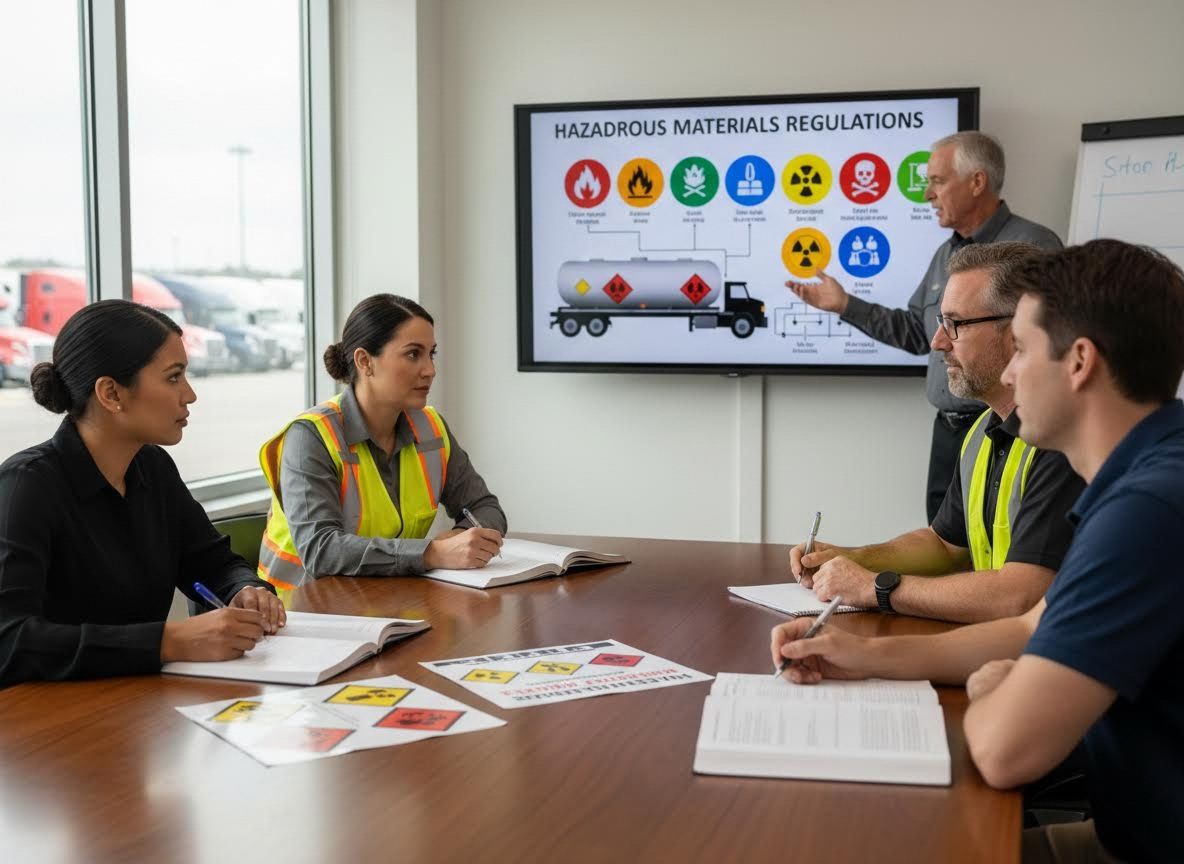
Obtaining a hazmat endorsement on your CDL certification involves comprehensive instruction in several key areas. Drivers learn about the Hazardous Materials Regulations (HMR) set by the Department of Transportation, which dictate how dangerous goods must be classified, packaged, marked, labeled, and placarded. The curriculum also extensively covers loading and unloading procedures, segregation rules to prevent incompatible materials from being transported together, and securement techniques to ensure cargo stability.

The Path to Earning Your Hazmat Endorsement
Earning a hazmat endorsement is a multi-step process that begins after you have completed your initial CDL training. First, you must pass a specialized written examination, demonstrating your understanding of the complex hazmat regulations. This test covers topics such as placarding, handling, and safety procedures.
Successfully navigating the complexities of hazardous materials transportation requires dedicated effort and specialized education. This essential training not only fulfills regulatory requirements but also significantly enhances a driver's career prospects and their ability to ensure public safety. To learn more about embarking on this critical career path and ensuring you have the best preparation, explore courses designed for aspiring professional drivers at Trusted King Transportation.